
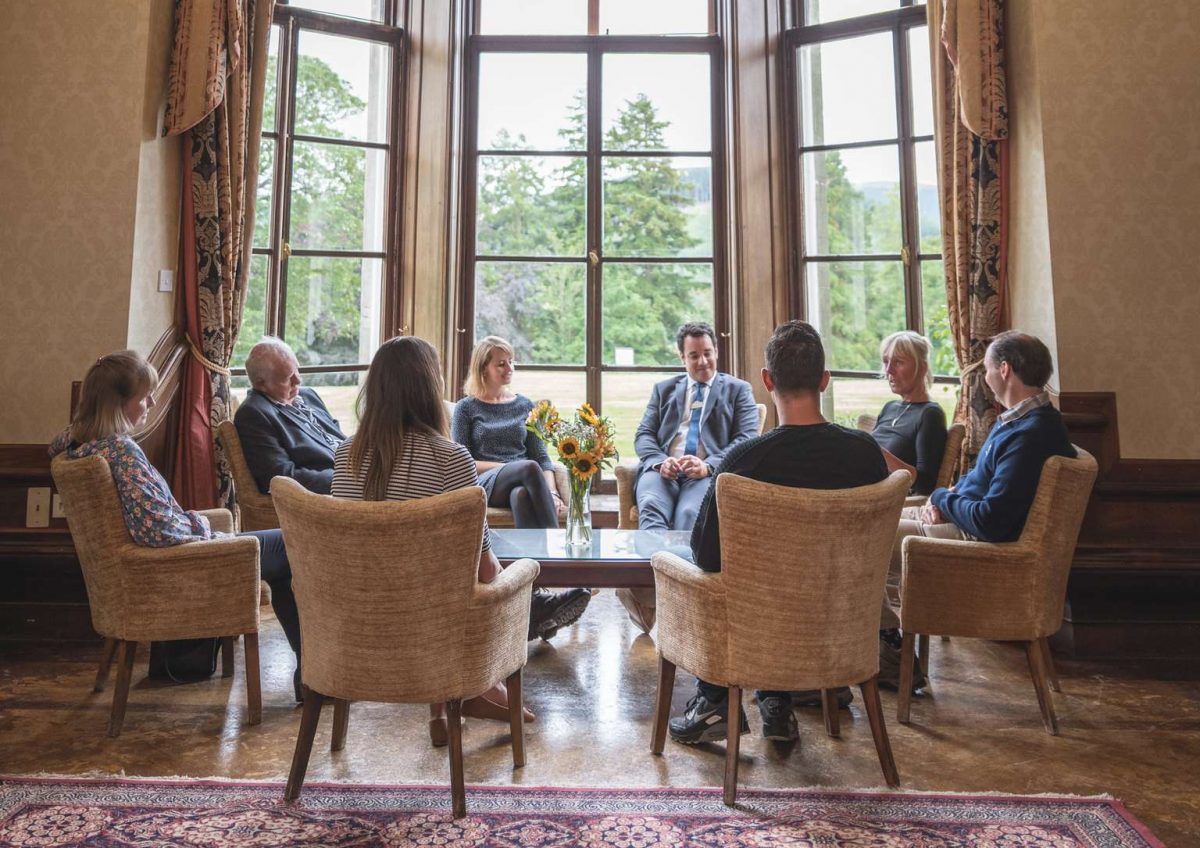
Evidence Based Treatment for Drug Addiction
If you suspect that you’ve developed a drug addiction, it’s important you know that you’re not alone. Our team is here to offer you compassionate and confidential support. We understand the challenges that come with addiction and are dedicated to helping you through your journey to recovery. Drug addiction can be overwhelming, but with the correct treatment, it is possible to overcome it. Reach out to us and start your journey towards a healthier, drug-free life.
Table of contents
Understanding drug addiction
Drug addiction is a complex condition that affects people from all walks of life. It’s important to understand that addiction isn’t limited to illicit substances; many prescription drugs also carry the potential for dependence. Prescription drugs particularly those for pain, anxiety, or ADHD, can lead to addiction if not used as directed by a medical professional.
An addiction develops when continuous substance use alters the brain’s chemistry, leading to physical and psychological dependence. This dependence creates a compelling urge to use the drug, despite the harmful consequences it may have on the individual’s life, health, and relationships.
Drug addiction is a health issue rather than a moral failing, and should be approached with compassion and understanding. There are various effective treatments available, including counselling, medically-assisted treatment, support groups, and rehab programmes. These treatments focus on not just overcoming the addiction but also addressing the underlying issues that may have led to substance misuse.

Transform Your Life at Castle Craig
Drug addiction signs & symptoms
Recognising the signs of drug addiction is the first step towards seeking help. These signs can include increased tolerance to the substance, withdrawal symptoms when you stop using, and an overwhelming desire to use drugs despite knowing the risks.
Common Signs Also Include:
- Lying about or concealing drug use
- Loss of interest in other daily activities
- Sleep or appetite disturbance
- Mental health issues that may be exasperated, or caused by, repetitive drug use
- Physical changes
Remember, recovery is a journey, and it’s okay to seek help. If you or someone you know is struggling with drug addiction, don’t hesitate to reach out for professional support. It’s never too late to start the path to recovery and lead a healthier, happier life.
Call Our Helpline Today
If you or someone you love is struggling with drug addiction, it’s time to get help. Depending on the severity of the problem and your loved one’s physical health, there are treatment options to suit many situations and circumstances, from inpatient rehab and outpatient care to private therapy and support groups.
If you have been suffering from drug addiction and you are in need of a detox, call our helpline today on 01721 546 263.
Patients can be admitted within 24 hours. In emergencies, it can be faster. Please contact admissions.
Drug withdrawal
Drug withdrawal refers to the experience of allowing the body to rid itself of the toxic effects of repetitive drug misuse. Naturally, the body will cleanse itself which will result in withdrawal symptoms. For most drugs, withdrawal symptoms can be challenging but not life-threatening. However, in the case of benzodiazepine and opiate/opioid-based drugs, withdrawal may need to be medically-managed for the safety of patients.
In the context of addiction, withdrawing from drugs may also bring about strong cravings and psychological withdrawal symptoms. If addiction has developed, therapeutic treatment will be required alongside detox, to help patients deal with the psychological nature of dependence. This is often referred to as drug rehab (or drug rehabilitation), the treatment process that helps to help patients overcome both the physical and psychological nature of addiction.
Common drug addictions
Ecstasy (MDMA)
Methamphetamine (Including Crystal Meth)
Prescription medications and opioids
Choosing the right treatment can be a difficult decision. There are many factors to consider, including the type of treatment offered, location, cost, and insurance coverage. It is important to research different facilities and read reviews from former patients to ensure that the center is reputable and effective.

Download Our Brochure
Why choose Castle Craig
Since 1988, Castle Craig has been committed to providing the highest quality alcohol and drug programme at the most affordable price. We want the people who come to our facility to recover and enjoy long-term sobriety. Unlike most other substance misuse rehabs, we have a full medical contingent.
Castle Craig is a fully HIS-regulated hospital that offers medically managed detox, our patients receive a personalised treatment programme that is catered to their individual needs. Castle Craig drug rehab centre is staffed by psychiatrists, nurses, expert therapists and a range of support workers to provide everyone who comes through our doors the best chance at long-lasting recovery.
For Those Willing, We Offer a Transformative Experience
Many report their time at our rehab as “life-saving” – and it’s true, our addiction treatments have saved over 7000 lives in the last 30 years.
Every new day new patients arrive, and old patients leave feeling confident of living life on life’s terms. Our fees include round-the-clock access to the hospital’s team of psychiatrists, therapists, doctors, and nurses.




CASTLE CRAIG | CALL BACK SERVICE
Castle Craig’s team of expert and compassionate advisors are here to help you, submit the form below and our team will be in touch shortly to guide you through our process.