


Castle Craig has been treating gambling addiction for over 35 years, with our programme delivered by specialist gambling therapists.
Gambling disorder brings specific pressures that general addiction treatment may not always be equipped to address. Our team has dedicated clinical experience and treats gambling disorder as a distinct condition.
We ensure to operate at a level of inpatient provision that means a consultant psychiatrist and nurses on site around the clock.
If you’re considering gambling rehab for you or someone in your life, this page covers the programme and how to get in touch.
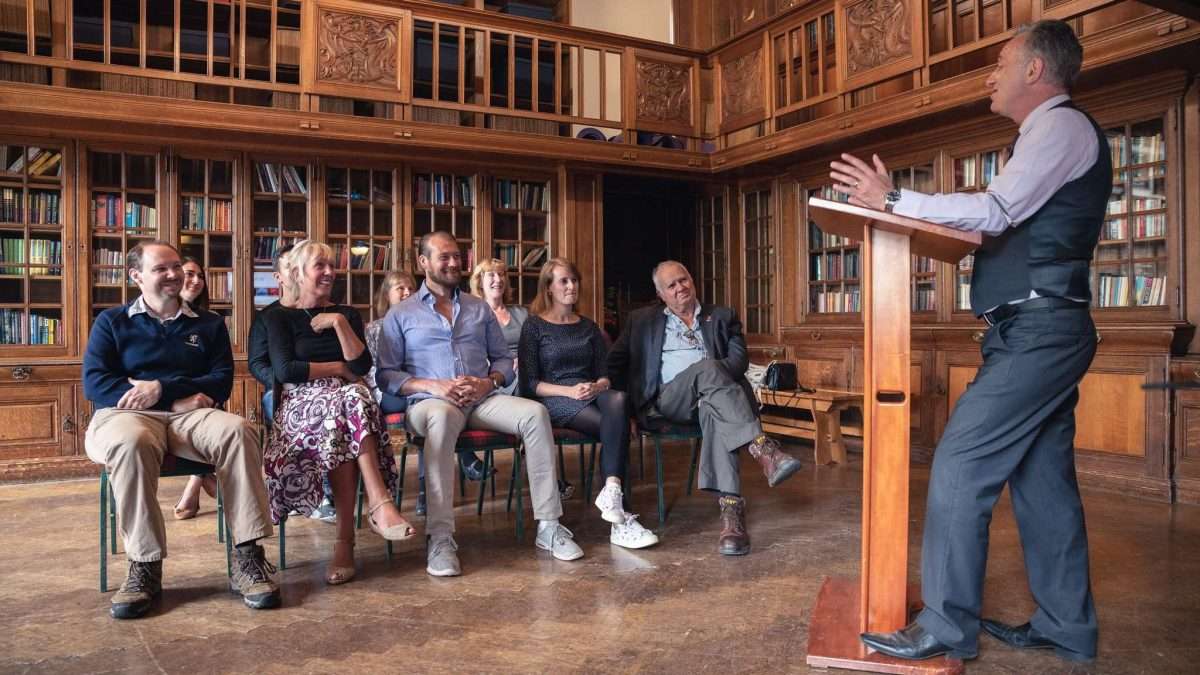
Gambling rehab therapy
Table of Contents
Gambling rehab – understanding your treatment options
-
Why residential gambling rehab works
Gambling disorder can thrive in isolation and secrecy, but residential treatment removes both. It provides a structured community of people who understand what gambling disorder looks like from the inside. Being in that community means you have the peer support and accountability that recovery requires.
Research that compared inpatient and outpatient gambling treatment found that people entering inpatient care typically present with more severe gambling problems and greater levels of co-occurring anxiety and depression. Castle Craig treats gambling disorder and co-occurring mental health conditions together, because leaving one unaddressed usually causes both to get worse.
An independent study of a specialist inpatient gambling programme found that clinical scores on gambling severity, psychological wellbeing, and social functioning showed measurable improvement across a 12-month period following intensive, inpatient treatment.
Our why choose Castle Craig page has more information on our treatment and facilities.
-
Gambling addiction therapy at Castle Craig
We provide various evidence-based therapies proven to be effective for gambling addiction.
Individual therapy centres on Cognitive Behavioural Therapy (CBT). CBT has consistently shown reductions in how much someone gambles at the end of treatment. One review found that between 65% and 82% of people receiving CBT showed greater reductions in gambling harm than those in control groups.
Individual therapy also includes Dialectical Behaviour Therapy (DBT) and motivational interviewing. These can both help with the emotional patterns and the difficulty of wanting to change that come with gambling disorders.
Group therapy and 12 Step facilitation run alongside individual work throughout the programme. Both have good evidence behind them for gambling disorder. Group sessions allow everyone to learn from each other’s experiences, and 12 Step facilitation prepares you for fellowship meetings like Gamblers Anonymous.
The programme also includes family therapy and complementary therapies from the start.
-
How long does gambling rehab take?
For many people, six weeks is enough time to complete the core therapeutic programme and begin planning for recovery after discharge.
People who need more time continue through the Advanced Programme. Rehabilitation for gambling addiction is rarely a fixed-length process, and the clinical team will tell you what they recommend at each stage.
Support then continues beyond the residential stay through our continuing care programme.

At Castle Craig we offer a structured gambling rehab programme lasting 4 – 12 weeks. Our rehab clinic treats all addictions, including gambling. Our inpatient gambling addiction treatment clinic set among beautiful hills and woodland, gives patients the opportunity to renew their health and lives without gambling.
What to expect from gambling rehab at Castle Craig
For most people, the biggest barrier is making the first call. Once you’ve done that, the process is straightforward.
-
Your first step: a confidential conversation
Making contact with Castle Craig doesn’t require a referral. You can call or email the admissions team directly.
The first conversation is with a case manager. It’s confidential, carries no commitment, and can happen at whatever pace feels right. For many people seeking gambling addiction help, what makes that first call hard is having to lay out the financial picture.
After that call, the admissions team conducts an assessment and a brief pre-admission process that usually takes two to three days.
Our addiction treatment page has more detail.
-
Arriving at Castle Craig: your first days in gambling rehab
When you arrive at Castle Craig, you’re met by the admissions and nursing team. The nursing team carries out a clinical assessment on the first day to establish your medical needs and determine whether detox is part of the programme for you. There is no detox for gambling disorder itself, but some people live with both a gambling addiction and a substance dependency.
The first days are unhurried. The team introduces you to the staff and the other patients in the programme, and you’re assigned a peer buddy early on. This is someone who’s been through the initial process and can answer the practical questions you may not want to ask the staff.
The therapeutic programme then begins once you’re all settled in.
-
Recovery that continues after gambling rehab
Recovery from gambling disorder rarely follows a straight line. Research on long-term outcomes in gambling disorder has found that close to half of people who complete treatment relapse at some point. Given those rates, Castle Craig starts planning aftercare and relapse prevention from day one.
Before you leave, your therapist puts together a personalised aftercare plan. You have access to the Castle Craig alumni network and a continuing care programme after you leave. Family members can be part of the programme throughout and after your stay.

“It was my first time coming into rehab […] the people of Castle Craig made me feel at home right away.”
Peter, patient at Castle Craig (March 2024)
If someone you know needs help with gambling addiction
Sometimes the person making first contact is a family member or close friend. With gambling disorder, this often happens because the person themselves has been concealing the problem for some time, sometimes years. When someone in their life starts searching for treatment or brings up their concerns, it may be the first time they even fully realise they need help.
-
Recognising when gambling has become a serious problem
Gambling disorder can be difficult to see from the outside. The earliest signs are usually about money and behaviour.
People close to someone with a gambling problem often notice financial pressure first. Common early signs include unexplained debts and inconsistencies in what someone says about their finances.
Other noticeable signs include:
- Extensive time spent online or away from home without explanation
- Unexplained changes in mood
- A gradual withdrawal from normal daily routines and family life
- Increased secrecy around finances and devices
-
How to support someone into gambling rehab
When raising the subject with someone in your life, lead with what you have observed. Specific examples, such as unexplained debts or changes in behaviour, give the conversation somewhere to start.
A call on someone else’s behalf is something we handle regularly. Our admissions team can walk you through the process and help you understand what to expect. You don’t need to have everything worked out before you call.
Once the person begins treatment, our family programme runs during and after their residential stay. This is designed to help support families and educate them on addiction and recovery. This can then help them support the person who is receiving treatment.
More detail on family support can be found on our addiction treatment for someone else page.
Castle Craig’s Approach to Care
Since 1988, Castle Craig’s compulsive gambling treatment programme has been trusted by people from around the world who are suffering from gambling addiction. With care and confidentiality we constantly strive for innovation and excellence in what we do. Our ethos is based on compassion, respect and a commitment to person-centred, evidence-based treatment.
How Can Castle Craig Help?
Get Help Today
Frequently asked questions about gambling rehab
-
How much does gambling rehab cost in the UK?
The cost of residential gambling rehab varies depending on the length of treatment and the level of care required. You can speak to the admissions team to discuss the cost of treatment at Castle Craig in confidence. Funding options include private health insurance, employer schemes, and possibly NHS contributions. Our NHS funding page explains what is available and how to apply.
-
Is gambling rehab available on the NHS?
NHS provision for gambling disorder is primarily outpatient. Residential gambling treatment through the NHS is limited, and waiting times for NHS gambling support are typically long. Private residential treatment, such as the programme at Castle Craig, offers more immediate access. In some cases, NHS funding contributions toward private residential treatment may be available. Our NHS funding page explains the options.
-
How do I find gambling rehab near me?
Castle Craig provides gambling addiction treatment in the UK for patients from across the country and internationally. You can contact our admissions team any time to access residential rehab for gambling addiction. NHS gambling clinics offer outpatient support in some areas. GamCare operates a national helpline and a network of support services across the UK.
You can find a local service or access the helpline through gamcare.org.uk.
-
How is gambling rehab different from other addiction treatment?
Gambling disorder is a primary mental health condition, recognised in the DSM-5 and ICD-11. Residential rehab for gambling addicts is a well-established treatment model. Gambling addiction rehab follows a clinical structure similar to treatment for other dependencies, but the therapeutic focus differs.
Gambling disorder involves specific cognitive patterns around chasing losses and financial decision-making. Therapists without specialist training in this disorder may not be equipped to address them effectively. At Castle Craig, the therapists treating gambling disorder specialise in it.