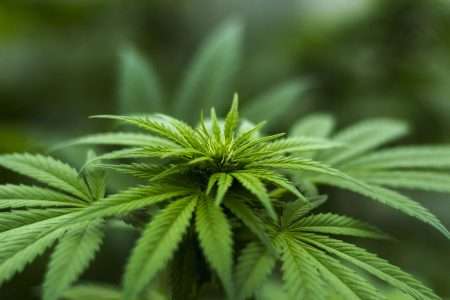
Cannabis laws are changing in parts of the world, which has created confusion about what the rules actually are in Scotland. The short answer is that cannabis remains illegal here, whether that’s for personal use or supply, and this applies across the UK.
Public opinion on cannabis in the UK is shifting, but government policy hasn’t kept pace.
You may hear some describe it as harmless, while others have seen how quickly regular use can become difficult to stop.
Even with changing attitudes, cannabis, or “weed”, is a substance that alters a person’s mood and perception. Anything that changes how we feel can also become something we start to rely on, which is why support groups such as Narcotics Anonymous and Marijuana Anonymous exist for when use becomes hard to stop.
This page covers the current law, how medical cannabis is handled, and where to find help if you’re struggling with cannabis use.
The legal status of weed in Scotland
In Scotland, it’s illegal to possess, use, or supply cannabis. This applies regardless of how small the amount is or whether it is for personal use only.
Cannabis is a controlled drug under the UK Misuse of Drugs Act 1971, and this law applies across Scotland, England, Wales, and Northern Ireland. It’s classified as a Class B drug, which means possessing, growing, or supplying it can result in a criminal offence.
A controlled drug is one that the law restricts because of its potential for harm or dependence, governing everything from how it’s produced to how it’s prescribed and used.
There are a few things to be aware of surrounding cannabis law in Scotland:
Penalties for possession
Police can decide how to handle cannabis possession. If you have a small amount and there is no sign that you plan to supply it, you might get a warning or a fixed penalty notice, usually about £90. That said, this isn’t always the case.
Factors that influence the outcome include the quantity involved, where it was found, whether children were present, and any previous history with the police. Repeated incidents or aggravating circumstances can lead to arrest, court proceedings, and a criminal record.
Penalties for supply
In the UK, ‘supply’ means more than just selling. If you give cannabis to someone else, even for free, it can count as supplying. The penalties for this are more serious than for possession and can include fines or even prison.
Growing cannabis counts as production, even if you only have one plant for yourself. If the police find a cannabis plant, they do not have to prove you planned to sell it. Just growing it is considered an offence.
Under-18s and cannabis offences
If you’re under 18, you can still be arrested, but for younger people, the response usually focuses on support and help, especially for first-time or minor cases. This could mean involving parents, schools, or drug awareness programs instead of going to court.
If the case is more serious or happens again, formal action can still be taken.
Medical cannabis in Scotland
Since November 2018, certain cannabis-based medicines can be prescribed in the UK by a specialist clinician, but these prescriptions are uncommon and tightly regulated.
It’s usually prescribed by a hospital doctor working in a specific field, such as neurology or pain medicine, who’s listed on the General Medical Council’s specialist register. It isn’t something a GP can normally prescribe.
In practice, only a small number of people receive medical cannabis in Scotland, and it’s only considered when other treatments haven’t helped. Many specialists remain cautious, as there’s limited clinical evidence for its effectiveness in most conditions.
Conditions that may qualify
The types of medical conditions for which weed is most commonly prescribed are limited. Even if you have one of the conditions that qualify for medical cannabis, there’s no guarantee you’ll be given it.
Conditions that can qualify:
- Severe forms of childhood epilepsy
- Nausea and vomiting caused by Chemotherapy
- Muscle stiffness and spasms in multiple sclerosis
- Chronic pain or Crohn’s disease in rare cases
Different forms of cannabis-based medicine include:
- CBD-based oral solutions or oils, such as Cannabinadiol
- THC-containing oral medicines
- Capsules or liquid medicines
- Medical cannabis flower products
CBD products vs cannabis-based medication
Cannabis plants contain several chemicals, known as cannabinoids. THC is the chemical that causes psychoactive effects, while CBD (cannabidiol) is non-psychoactive.
CBD oils and products that contain less than 0.2% THC can be bought legally in the UK. They’re made from the cannabis plant but don’t produce a “high”. Instead, people sometimes take them to help with sleep or anxiety.
Medical cannabis products contain higher levels of THC, which can impair thinking and behaviour, so they sit under strict medical and legal control.
Is cannabis use legal in public or private?
The law in Scotland doesn’t distinguish between public and private cannabis use. It’s based on possession itself.
Weed used in public settings naturally brings more reports or encounters, but this doesn’t mean that using cannabis at home is legal. If it’s discovered during a police visit for any reason, it can still be dealt with as possession.
Common misconceptions
There are a few grey areas in how people understand cannabis law in Scotland, and many of the questions come from common misconceptions about what is and isn’t permitted.
“Medical cannabis means it’s basically legal now”
This is one of the most common misunderstandings. A medical cannabis prescription applies only to a specific product, dose, and patient under specialist supervision.
Using street cannabis to treat the same symptoms is still illegal and carries the same penalties as any other possession.
“It’s legal in other countries, so the rules must be relaxing here”
Changes to cannabis law in Canada, parts of the US, or elsewhere have no bearing on UK law. Cannabis brought into the UK from a country where it’s legal, or ordered online from overseas, is still treated as illegal importation.
“Police just take it away now”
Enforcement varies, and some people do receive informal warnings. But this depends entirely on the circumstances and the officer’s discretion. It doesn’t change the legal status or the potential for more serious consequences.
The debate about making cannabis legal
The debate over making cannabis legal is still ongoing in Scotland and across the UK.
Some experts say that if cannabis were legalised, it would be easier to research its medical uses and reduce problems caused by criminal records.
Others point out that Scotland has one of the highest drug death rates in Europe, so drug laws should remain tight.
Research links regular cannabis use with mental health difficulties and addiction, so policymakers have to weigh possible harm alongside personal freedom and available evidence when considering the law.
Weed and your health: what you need to know
Using cannabis carries real health risks, beyond legal issues. Young people are especially vulnerable, as the brain continues developing until around age 25.
Regular cannabis use can contribute to:
- Depression and anxiety
- Psychosis and schizophrenia
- Cannabis dependence
NHS data for young people in Scotland shows cannabis is also the most common drug linked to first-time psychosis, a state where a person loses touch with reality.
If you’re worried about your cannabis use or that of someone close to you, confidential support is available in Scotland.
Read more about Cannabis rehab treatment near you.
What if you or someone you love is using cannabis?
Not everyone who uses cannabis will develop a problem, but some people do. Cannabis dependence is real, even if weed is an occasional habit.
It can affect a person’s life, relationships, and overall wellbeing, especially if they’re convicted for possession or supply.
If cannabis use is starting to feel hard to control, you don’t have to handle it on your own. Cannabis addiction is treatable, and support is both private and flexible.
Getting help for cannabis use in Scotland
If you’re in Scotland and are concerned about your cannabis use, professional help is available in many different ways:
NHS cannabis rehab services
The first step is to speak to your GP, who can refer you to local addiction services.
NHS Scotland provides free support for people who are worried about their drug use, including cannabis. Services typically include:
- Counselling and talking therapies
- Support groups
- Relapse prevention programmes
- Mental health support
Specialist residential treatment
For some people, especially those with more severe dependency or mental health conditions, residential rehab treatment can offer strong recovery support.
Castle Craig is a specialist treatment centre for addiction. We know that cannabis dependency can be complex and is often connected to past trauma, mental health issues, or difficult life situations.
Our team of doctors and therapists work together to provide a full range of treatment options, ensuring each person’s care suits their individual needs.
Contact Castle Craig today to speak with one of our addiction specialists. Recovery is possible, and it starts with a conversation.
Frequently asked questions
-
Is smoking cannabis in your home illegal?
Yes. Cannabis possession and use are illegal in Scotland, whether in public or private, including in your own home. It’s also against the law to grow cannabis plants.
-
What are the risks of using weed regularly?
Regular weed use can become part of everyday life. People often notice sleep gets worse and their mood feels flatter. It can also become the default way to cope with stress, which makes stopping feel harder than expected.
-
Is cannabis law the same in Scotland and England?
The same UK drug law applies in both Scotland and England, so cannabis has the same legal status on either side of the border.
How police handle individual cases can still vary depending on the situation, which is why people sometimes hear different stories about what happened to a friend or someone they know.