

It may seem that because celebrities are always smiling in photos that they are always happy. The truth is that celebrities have inner demons inside of them just like average people do. Click here to learn more.
Addiction Resources

Why Do Addicts Refuse Help and How to Help Them
When you see someone who is struggling with addiction, you wish that you can just force that person to go to a treatment facility. We cannot force someone to get help unless we see an overdose. t is important to take small actions to prevent scaring your loved one away and to let them know you are there for them.

Mental Health TED Talks to Watch Part 3
TED Talks can help you to take action on issues that people tend to stay silent about. There are many misconceptions about mental illnesses being a sign of weakness and something that we should be ashamed of. TED Talks will teach listeners to inspire people with your gifts and to raise awareness towards mental health.

How Creativity Can Help in Recovery
There are a variety of art projects to do to help you connect you with your feelings. You can create an art journal about the pictures you see in your head when your therapist mentions a topic. You can use colors and scribbles that represent your stress levels. Learn more here.
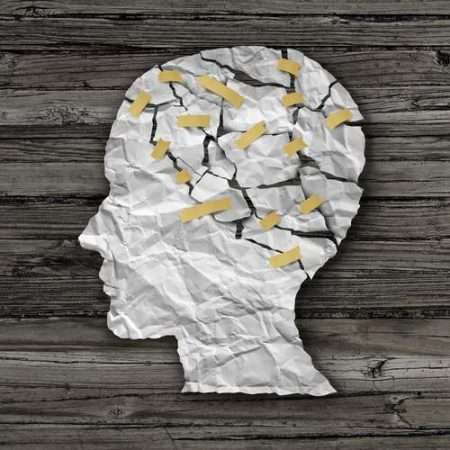
Celebrities with Mental Illness Part 1
t is important to never assume that just because celebrities look happy and make a lot of money that they do not have underlying issues. Luckily, there are many celebrities who are willing to let the public know that they have a disorder in order to bring more awareness to it and let the public know they are not alone.

How to Make it Through the Holiday Abroad
Traveling abroad can be hard but not impossible when you are in recovery at first. Some people use traveling as an excuse to take a vacation from their recovery because of all of the triggers that could surround them. Click here to learn more.

Job Loss Due to Mental Health Costing UK £99 Billion
One of the many devastating side effects of struggling with a mental illness is the difficulty in keeping a job. Job loss due to mental health issues is costing the UK big money and requires some administrative attention.

Foods to Eat in the Winter to Improve Mental Health
Diet and nutrition are important to your overall wellbeing and certainly for mental health. Here are some foods to eat in the winter to improve mental health and overall wellness.

Books to Read to Help with Recovery
The struggle to change your daily life and adapt to sober living can be daunting, so we’ve suggested a few books to read to help with recovery. Enjoy!

The Eight Phases of EMDR
Eye movement desensitization and reprocessing (EMDR) is a form of psychotherapy to help people reprocess painful, unresolved memories such as people who have PTSD.

Signs of Mental Health to Watch Out For
It’s important that we all look out for one another to ensure optimal health and happiness. These are the signs of mental health to watch out for if a loved one is in recovery.

Boredom in Recovery
Boredom is a well known trigger for relapse in addiction recovery, therefore learning to deal with boredom in recovery so as not to seek out the entertainment or escape of drugs is key to maintaining long term sobriety.