

Family therapy for addiction treats everyone in the constellation that’s affected, not just the person in treatment. Addiction is sometimes called a family illness because when one person is dependent on drugs or alcohol, the people closest to them are changed by it too. Relationships are damaged, trust breaks down, and the effects on family members don’t disappear when treatment begins.
At Castle Craig, family members are part of the treatment from the start. Sessions are led by the patient’s focal therapist, who already knows the patient’s history and some of what the family has been through.
The programme is designed to support not just the person in treatment, but the wider unit.
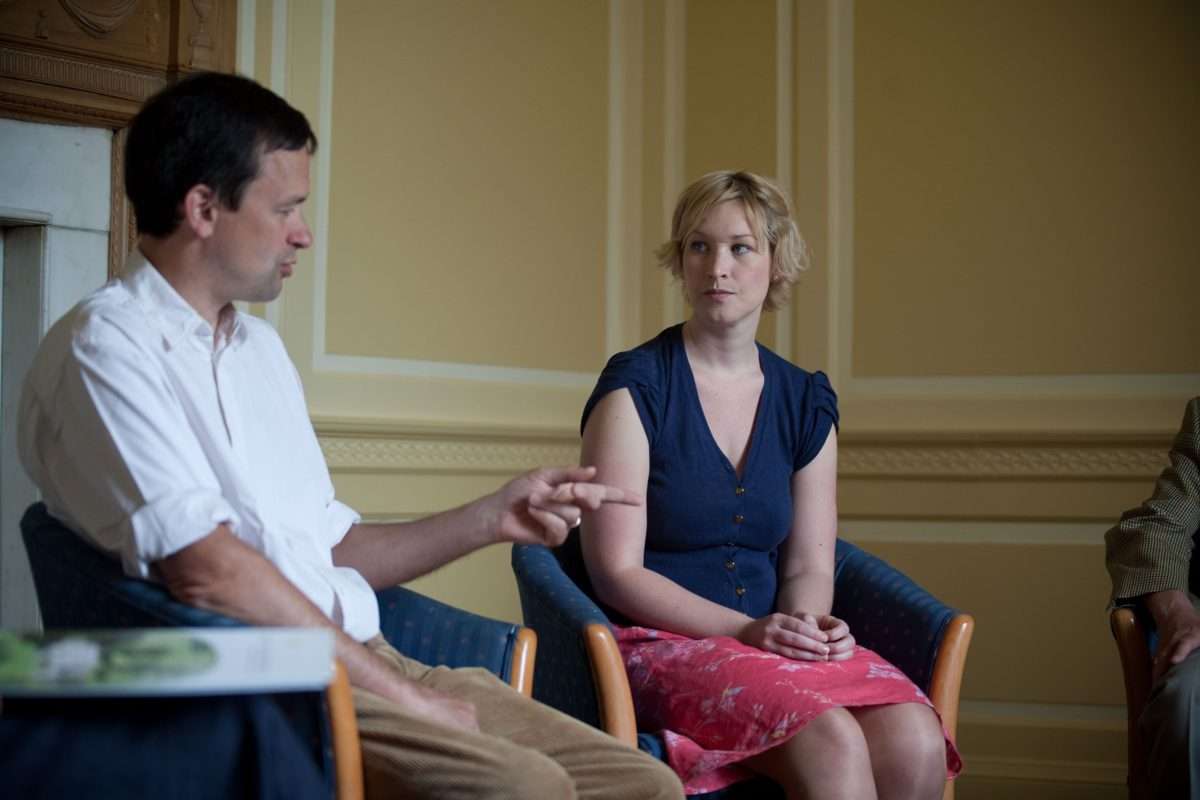
Helping Support Families and Loved Ones
Why family therapy for addiction is part of treatment
-
The benefits of family therapy for addiction recovery
Research shows that bringing family members into addiction treatment can reduce substance use and help the family function better. Families who take part in therapy together learn how to respond to what has happened, rather than absorbing it on their own.
Family involvement also reduces the risk of relapse after treatment ends. A family that understands what recovery involves is better placed to recognise early warning signs and respond without panic.
Rebuilding trust is another part of the work. Addiction damages relationships, and therapy gives families a way to address that damage.
Family therapy also helps family members understand enabling behaviours. These are the patterns of response that can unintentionally make it easier for someone to keep using. Recognising those patterns doesn’t mean blaming or punishing anyone. It just helps families understand what’s been happening so they can support real change.
-
What does family therapy for addiction actually involve?
When someone in a family has an addiction, everyone around them is affected. Family therapy brings everyone into the work of recovery.
For families, the early days of treatment can be difficult to navigate. Detox can be an especially worrying time, often because of the misconceptions around it. The clinical team will talk you through what to expect before it begins. Understanding what drug detox involves can help you know what the person in treatment is going through.
Family therapy sessions are led by a professional therapist, follow a set format, and have specific goals. The aim is to help the family communicate better and find practical ways to support alcohol addiction or drug addiction rehab recovery.
Some families worry that bringing everyone into the same room will make things worse before they get better. The sessions are structured to prevent that. A therapist leads throughout, and the conversation has a specific purpose and direction.
Family therapy for addiction can run alongside a residential rehab programme, and at Castle Craig it’s built into the programme from the start rather than added later.
What family therapy for addiction looks like at Castle Craig
-
Sessions led by the person who knows your family best
At Castle Craig, family therapy sessions are coordinated and often led by the patient’s focal therapist, who has worked with them since they arrived. A family therapist who already knows the patient’s history doesn’t need time to catch up. They can get straight to what the family needs.
The focal therapist also discusses with the patient how and when to involve family members, so the timing is right for everyone.
-
Family workshops: what’s included and how they work
Alongside the therapy sessions, Castle Craig offers dedicated workshops for family members, held online so you can take part remotely, from anywhere. These are engineered to give family members a clearer picture of what addiction does to the people around it, and how to support someone in recovery while looking after themselves too
The patient does not attend the workshop; they are available to family members even where joint therapy sessions are not taking place, and they are covered by the treatment fee.
-
Visiting Castle Craig as a family member
Sunday is the designated visiting day at Castle Craig. Visits are agreed in advance with the patient’s focal therapist, who will discuss the timing when the patient is ready.
Family members may also attend during the week for scheduled therapy sessions. When you arrive, a member of staff will be there to meet you and help you settle in.
You can also find out more on our help for a family member page.
“I feel like I/we can do this and we will be a better, stronger and more connected couple. I hoped that rehab would bring a new level of awareness, strength and happiness for my partner, but I had not expected that for myself as well.”
Abigail, Castle Craig patient, March 2022

Family support that continues after residential treatment
A monthly family support group is available after treatment ends. Family members are given the details before the patient leaves so they can join up when they’re ready. Being with people who have been through the same thing can make a significant difference when you’re finding your feet after treatment.
For family members who want further support, Castle Craig’s outpatient service offers online family counselling with an accredited psychotherapist. These sessions focus on strengthening family relationships and working through what has been difficult.
The patient also enters an aftercare programme on leaving Castle Craig. Families can stay involved in that process, so the work done during treatment continues.
The aim is that when the residential stay comes to a conclusion, it’s clear that the support hasn’t ended with it.

Download Our Brochure
Free & Confidential Assessment
Compassion, expertly delivered evidence-based practices and a patient-centred approach are at the heart of our treatment model. Request a call-back from one of our professionals on any day of the week.
Frequently asked questions about family therapy for addiction
-
What is family systems therapy for addiction?
Family systems therapy starts from the idea that addiction doesn’t happen in isolation. When one person in a family has an addiction, everyone around them is affected and adapts. Some of those adaptations can make it harder for things to change, such as covering for the person or avoiding difficult conversations.
Family systems therapy looks at how those dynamics have developed and what needs to change. Nobody is blamed. The aim is to help everyone in the family understand what has been happening and what to do about it.
-
How much does private family therapy for addiction cost in the UK?
The cost of private family therapy for addiction depends on the setting and the length of the programme. At Castle Craig, family therapy sessions and workshops are covered within the cost of residential treatment. There’s no additional charge for family members to take part.
-
What are the most effective family therapy approaches for addiction recovery?
Several evidence-based approaches exist for family therapy in addiction rehab. Behavioural Couples Therapy works with couples where one partner has an addiction, focusing on improving the relationship and reducing substance use together. Family Behavioural Therapy addresses substance use and other behavioural problems within the family at the same time. Community Reinforcement and Family Training, known as CRAFT, is specifically designed for family members whose relative isn’t yet in treatment. It teaches practical skills for encouraging the person to seek help while looking after their own well-being.
These models were developed with younger people in mind, but the principles behind them apply to adults too. At Castle Craig, the approach is adapted to each family rather than following one named model, and sessions are led by the patient’s own focal therapist throughout.